PcP's history began long before the company got its name. Going back to the 1800s in Denmark, we encounter a man known as the Smith of Thunder – a master of steelwork, recognised for his skill and uncompromising professionalism. He laid the foundation for the craftsmanship and values we still build on today. His ability to create value from raw steel and his insistence on doing things properly became the foundation for a tradition based on integrity and craftsmanship.
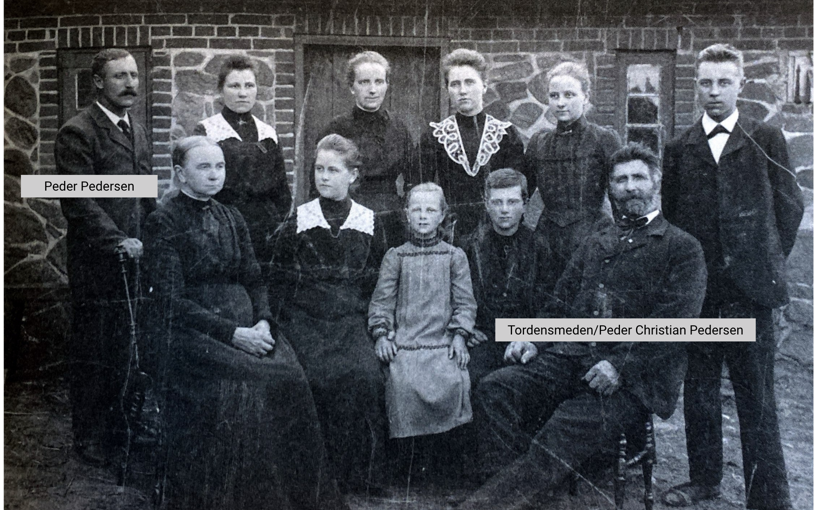
The Smith of Thunder’s son, Peder Christian Pedersen, worked as a mill manager at the time. When a storm later destroyed the family's mills and took away their livelihood, the next generation was left without a safety net. But adversity became an opportunity for innovation. When an empty smith shop later appeared in a small Danish town, the family saw not just a building, but an opportunity to create something new – on their own terms.
This marked the beginning of a culture where innovation became a natural part of PcP. New techniques, new ideas, and new ways of thinking about steel.
In 1927, Peder Christian Pedersen, the grandson of the Smith of Thunder, opened his forge shop. He started without customers, but not without ambition. With integrity as his compass and a deep respect for the craft, he built a business that quickly gained a reputation for quality, reliability, and solution-oriented craftsmanship.
In the 1950s, the next generation returned home. Peder Fahrsen Pedersen brought knowledge, vision, and a new way of thinking about the smith trade with his training as a toolmaker. He introduced industrial production, modernised the machinery, and laid the foundation for the PcP the world knows today.
This is where PcP's innovative thinking comes from, because we constantly challenge materials, processes, and design to develop solutions that meet tomorrow's demands.
It was also during this period that the company got its official name: PcP, after his grandfather, the Smith of Thunder’s son, and his signature as a mark of quality.
Shortly afterwards came an invention that would define decades: PcP's first grating. In 1956, it was installed in front of a school in the same town as the Smith forge.
The 1960s and 1970s were characterised by growth, courage, and innovation. PcP's products were presented to shipyards, ships, and many other industries. This development paved the way for several solutions that would define PcP for decades to come:
Each invention was created through collaboration, close contact with customers, engineers, and industry leaders, and each invention made the world a little bit safer.
In the early 2000s, ELEFANT® Riste became part of PcP, significantly strengthening the company's position in Europe.
From 2006, the company continued its positive development under John Nielsen's leadership. Modernisation, investment, and a focus on future needs became important driving forces.
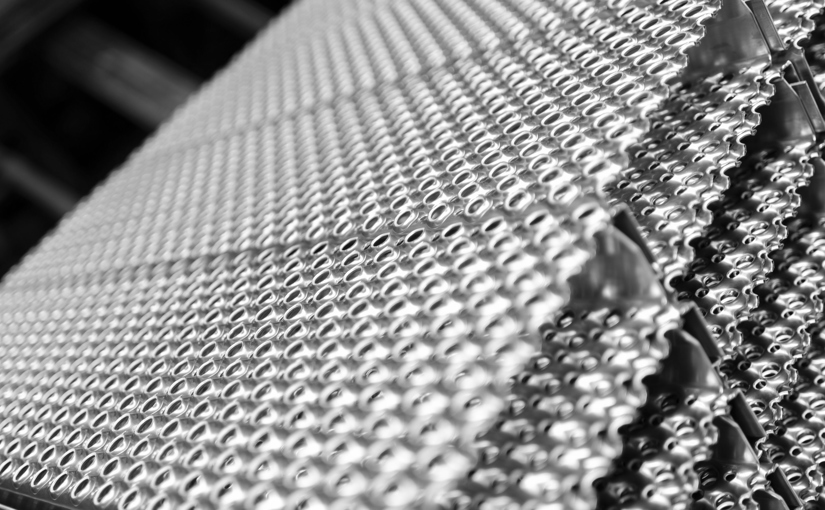
PcP's mission to meet and exceed customer expectations for safety solutions brings us to 2019. This year saw one of the most significant innovations in the company's recent history: the CUBE® grating, a system that reduces steel consumption by up to 40% without compromising performance, safety, or service life. An example of innovation with a purpose: less material consumption, lower CO₂ emissions, smarter design.
In the 2020s, sustainability became a key strategic focus area. PcP worked purposefully to optimise energy, materials, and processes, and EPD verifications documented these efforts.
In 2022, PcP became part of the Lagercrantz Group, which gave the company new opportunities, a global outlook, and access to even more knowledge, partnerships, and investment power.
And in 2025, Carsten Stubkjær Mumm joined as CEO with a clear vision: to build on PcP's heritage, integrity, innovation, and collaboration. The goal of leading the company towards the next generation of sustainable safety solutions continued to set the direction for PcP's growth
Today, we supply tailor-made grating systems, handrailing, ladders and safety solutions for projects around the world, from industry and infrastructure to architecture and offshore. We work closely with customers, consultants, and partners to understand needs, solve challenges, and create products that deliver both quality and social value.
We believe that integrity builds trust.
We believe that innovation drives progress.
And we believe that collaboration creates the best solutions.